

Building Outdoor Living Spaces in the Bay Area
Decks, outdoor kitchens, pergolas and trellises, built with materials rated for the outdoors.
Decks, kitchens and outdoor structures
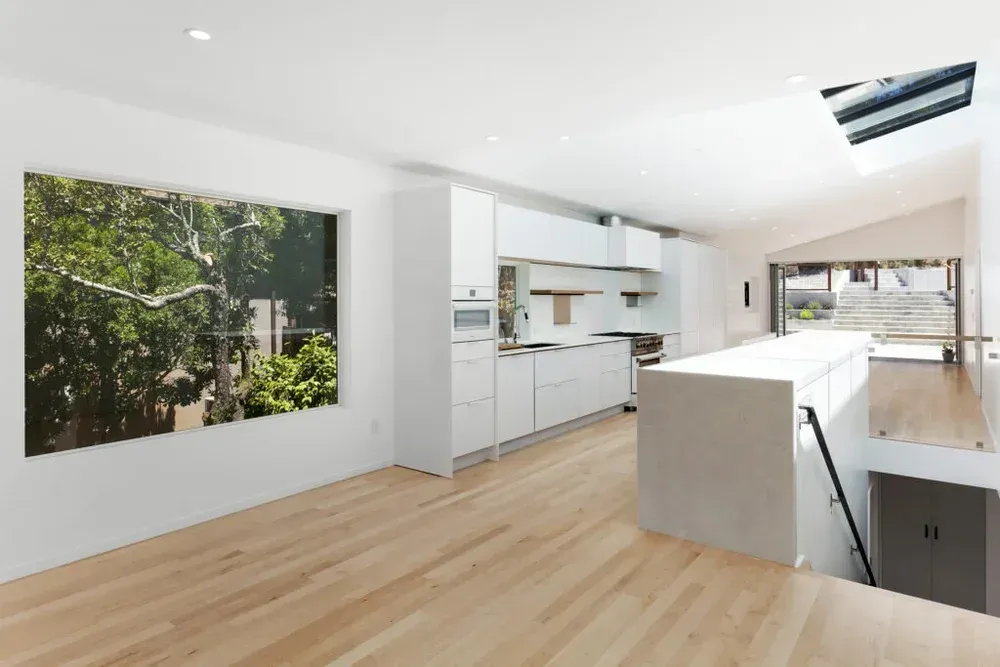
A lot of people are putting in outdoor kitchens now, alongside decks, pergolas and shade structures. We start by asking what the space needs to do, how much time you will spend out there, and what it ties into inside. If a kitchen or living room opens onto it, we decide with you whether to stay in line with that visual language or contrast with it.

CSLB 1063290
Licensed and insured
Tell us about your project
We will get back to you as soon as possible.
Please try again later.
Decks
A deck attached to a house transfers its loads into the house, which on an older building can mean structural work before any decking goes down. A freestanding deck carries its own loads on its own posts and footings.
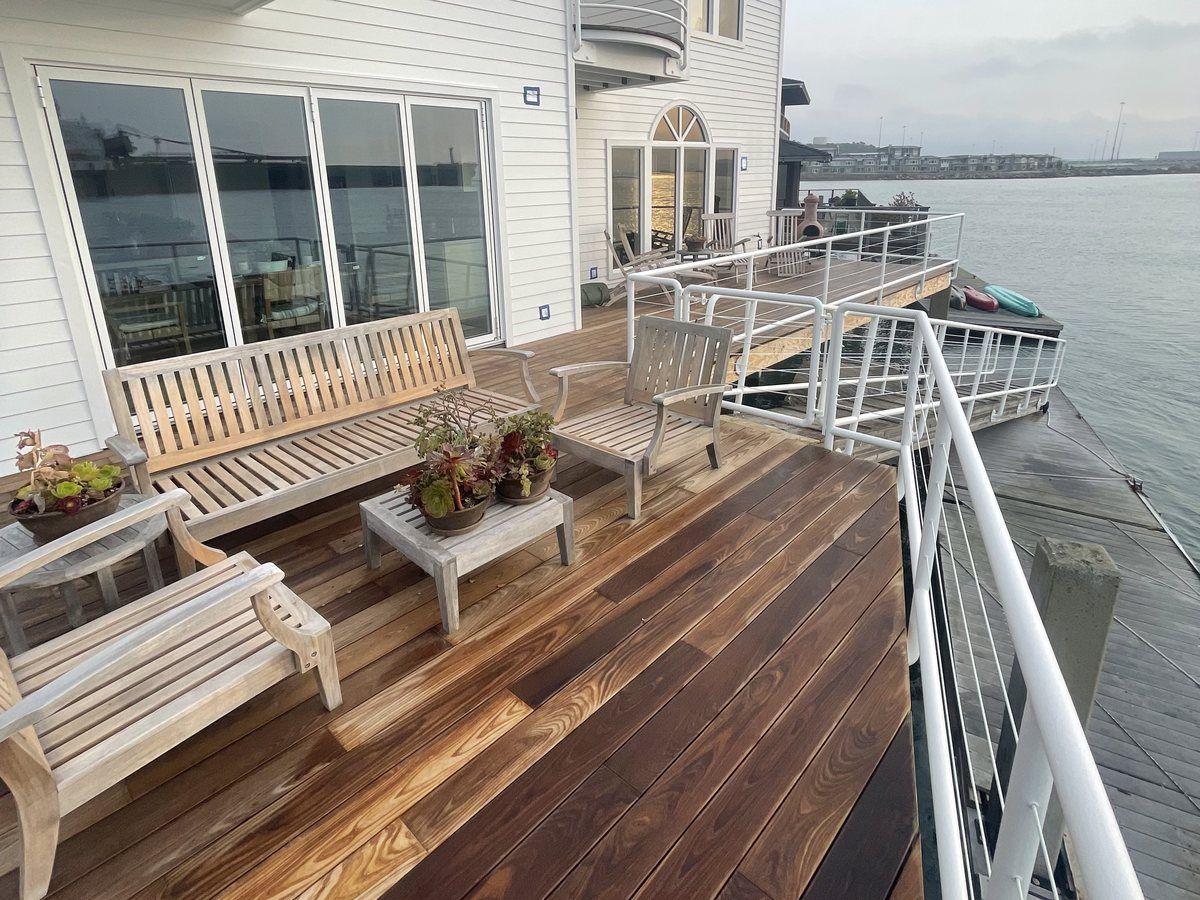
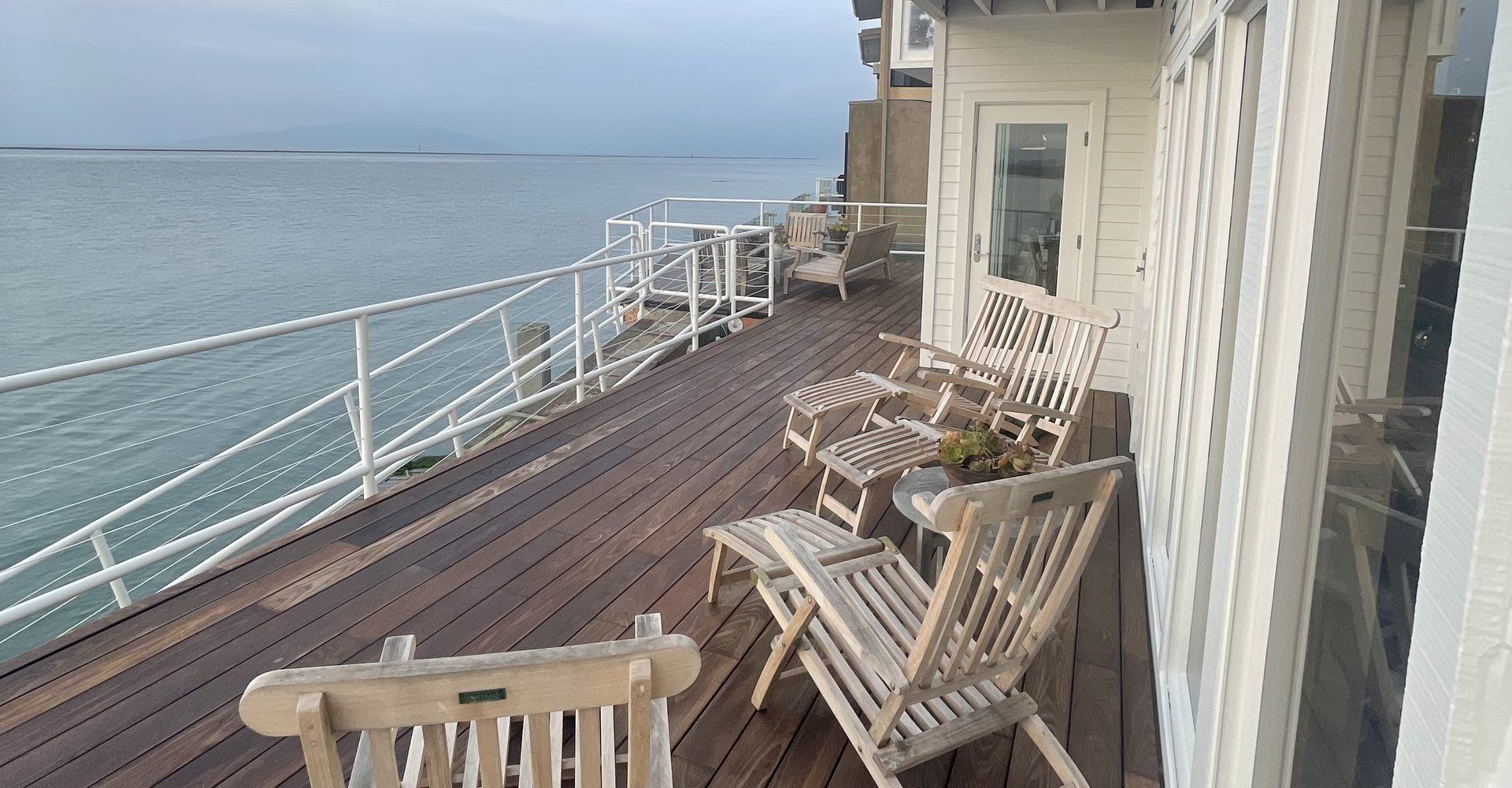
On Masonic Avenue in San Francisco, working for Sage Construction, we managed and built a multi-story freestanding deck, framed in pressure-treated lumber to take the load off the main house. The city required us to reuse some of the original redwood decking, so we mixed the salvaged boards through the new 2x6 redwood, with redwood railing posts, balusters and rail cap, finished in UV oil.
Repairs are often structural too, from supports under a sagging span to new flashing where the deck meets the house.

Decking materials
Redwood
The traditional Bay Area choice, finished with a UV oil and re-oiled periodically.
Composite
Trex and similar boards need considerably less maintenance and hold their color.
Bamboo
Strand-woven bamboo, extremely dense, with some products rated Class A for fire.
Properties in the Wildland Urban Interface, which covers a great deal of hillside Oakland, Berkeley and Marin, are subject to fire requirements that ordinary decking does not meet. Whether your property falls inside a WUI zone is worth establishing before a deck is designed.
Planning an outdoor space?
We will come out, look at the property, talk through what you want from the space, and tell you what is feasible.

Outdoor kitchens
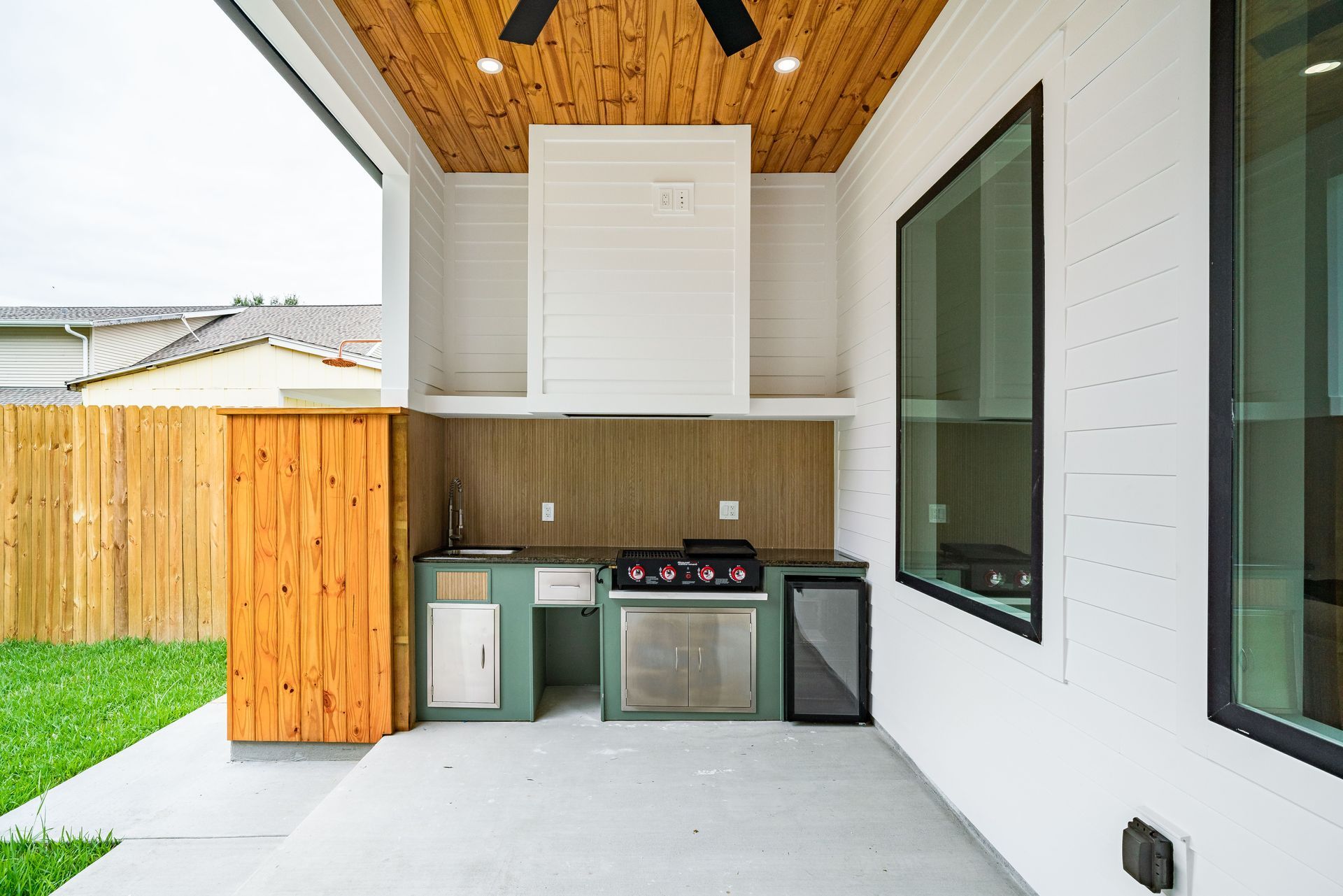
An outdoor kitchen usually needs permits, especially for gas. Running a gas line needs a permit, the existing feed has to be sized to carry the distance, and the city will want a drawing of the line showing its size, pipe type and where it stubs up. Long gas runs are a common problem, so the best time to scope them is at design.
Everything in an outdoor kitchen is a different grade from its indoor equivalent.
Stainless steel
Hard-wearing, rust resistant, easy to clean and food safe, for the same reasons commercial kitchens use it.
Cabinetry
Custom, and built from exterior-rated materials and composites.
Stone
Chosen for exposure. Marble outdoors is damaged over time by acidic rain, so we bring samples and talk through what will hold up where you are.
Electrical and lighting
Exterior grade and grounded throughout, with GFCI and weather-rated outlets and exterior lighting.
When built with quality materials and looked after, an outdoor kitchen should give you 15 to 20 years.

Pergolas and trellises
A pergola or covered structure extends the season on a deck and gives an outdoor kitchen some shelter. A trellis gives dappled shade without closing the space in.
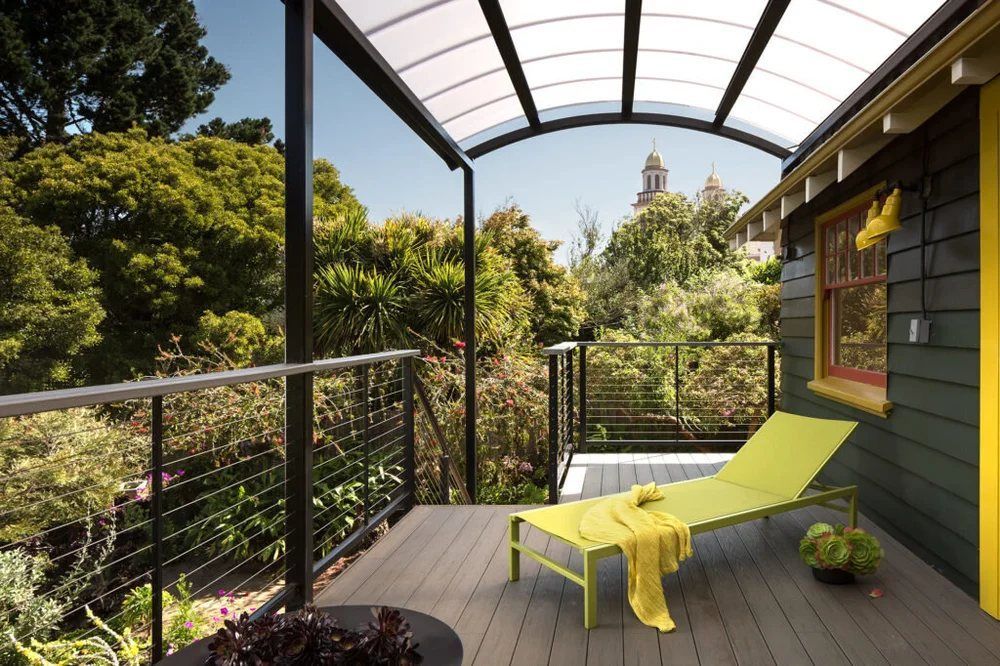
On a garden deck in San Francisco, we built an awning in 4x4 tube steel and fitted a clipped trellis system over it. The steel was drilled and tapped, the clips screwed down, and the panels clipped in, with no visible fasteners across the top.
Frequently Asked Questions
Can my existing deck carry an outdoor kitchen?
Sometimes. The engineer looks at the added weight of the barbecue, stone and cabinets and the people using the space, and may call for new foundations or reinforcement under the deck.
Do I need fire-rated decking?
If your property is in a Wildland Urban Interface zone, likely yes. We establish that before the deck is designed, so the materials are right from the start.